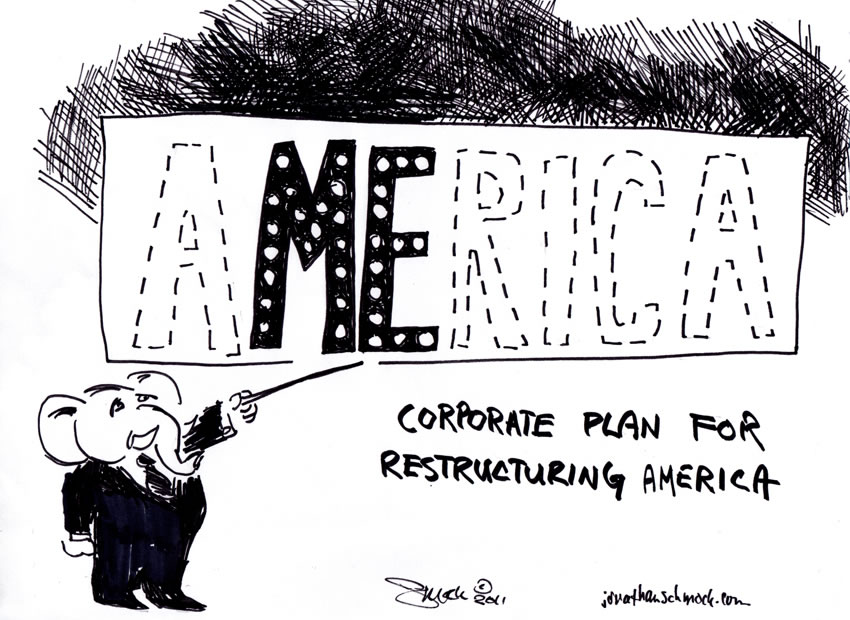
One of the most popular shows on television is CBS’ “Two and a Half Men”. And I’ve often wondered at its popularity.
It is a very well-written and acted show, as far as it goes. But if you watch it for any length of time, you come away with a wretched taste in your mouth. It is, without a doubt, a show with characters who have no redeeming qualities. Everyone is gleefully mean to everyone else, reveling in cutting barbs and casual humiliation. Obviously, it’s a comedy painted in broad strokes, as sitcoms normally are. However, if you watch it on your local station in reruns before the prime time schedule comes on, you’ll be forgiven for wondering why anyone should give a damn about what happens to any of the show’s characters.
And yet, for more than a decade it has been one of the most popular shows on television. Before Charlie Sheen melted down, he was the highest paid actor on TV thanks to it. Millions of people tune in to watch a weekly display of dysfunction so severe that suspension of disbelief becomes increasingly difficult.
Obviously, you can’t judge an entire culture by the popularity of one television show. But here is another data point. Bloomberg has an article helpfully entitled “Obamacare Shows How Americans Are Becoming Jerks“. From the piece:
What’s clear is that the shifting views on health care predate the Affordable Care Act. The number of Americans who think health care is the government’s responsibility hovered around two-thirds for the first half of the 2000s, peaking at 69 percent in 2006. Then those numbers started falling, hitting 50 percent in 2010 and 42 percent this year.
The shrinkage of American generosity during that period wasn’t just about health care. The onset of the recession corresponded with a change in public opinion on a range of issues, and in most cases the effect was to make Americans less caring about others.
Starting in 2007, the portion of Americans who said the government should guarantee every person enough to eat and a place to sleep started falling, from 69 percent to 59 percent last year. People who said the government should help the needy, even if it means going deeper into debt, fell from 54 percent to 43 percent over the same period.
Continue reading ‘The new meanness’


 White House.gov